By Daisy Perez and Rachel Nizinski
When Bonnie O’Connor was first diagnosed with autism at three and a half years old, her parents had to rethink their plans as traveling ministers.
“They couldn’t take me anywhere,” said O’Connor, now 24. “I wasn’t talking properly starting at age three. I had therapy after therapy.”
She added, “For papa, it was really difficult, because he had always been traveling with my mom. When he heard I had autism, he literally threw up. My mom cried for days.”
Since the first time the term autism was used to describe a case of schizophrenia in 1911 by Eugene Bleuler, a Swiss psychiatrist we are now seeing an increase in the number of children all over the U.S. being diagnosed with one of the many common autism spectrum disorders.
One example is Asperger’s Syndrome, which is characterized by high intelligence levels, yet difficulties with socializing and communication.
“As a person with Asperger’s, my social life was kinda chaotic,” said Ryan Beauchamp, a 25-year-old Los Angeles resident. “I went to a number of different schools, including a boarding school. It was hard finding anywhere where I fit in.”
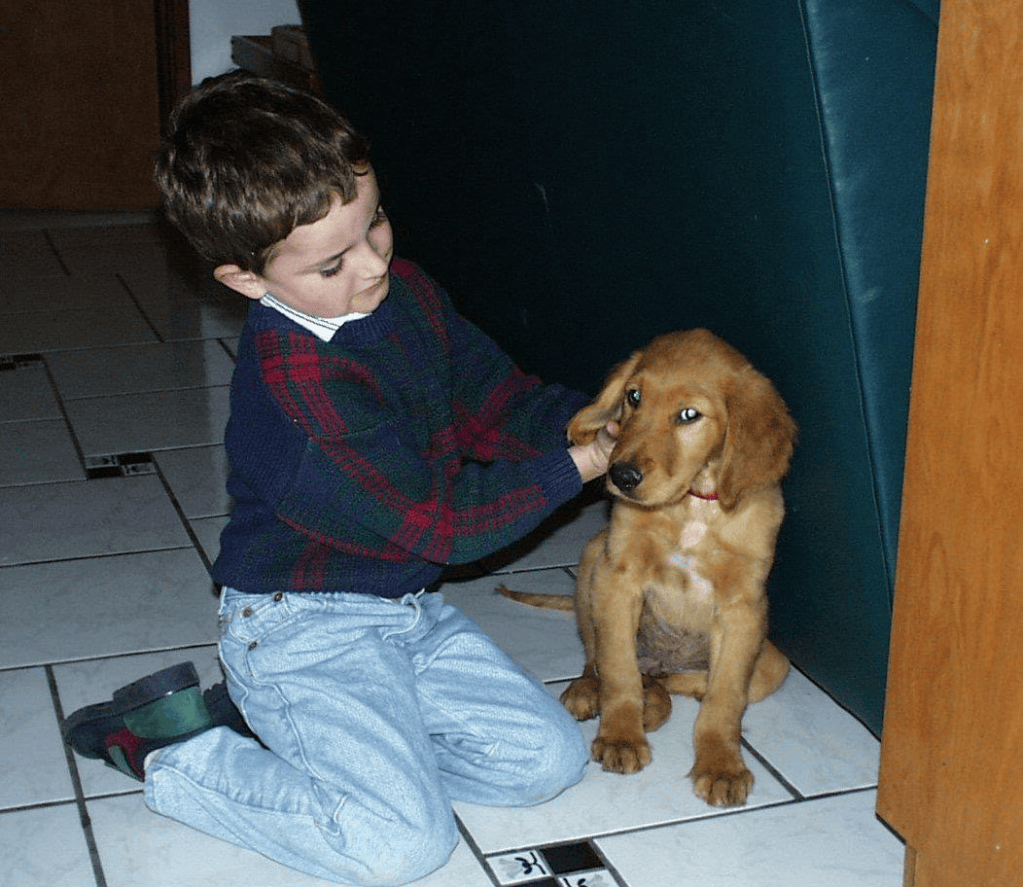
Although it is more likely for a child to show signs of being autistic, the definition of what it means to be autistic varies from a doctor’s classification to a parent and individual acknowledging their differences.
Diana Chulak, a part-time family support provider at the Family Focus Resource Center, is also a mother of two young boys, a 12-year-old and a 9-year-old, who both have different autistic disorders. She doesn’t see her children’s differences as a disorder.
She said, “Autism is just a word to us, it’s not who they are, it’s what they have.”
Nowadays a person who gets diagnosed with autism refers to a wide range of conditions where a child or an adult has difficulties with communicating and social interaction. An individual can face challenges with repetitive behaviors, speech and nonverbal communication, have a language delay, poor motor skills, obsessive interests and may avoid making eye contact.
The Center for Disease Control and Prevention found in their new published report that, one in 59 children by the age of 8 are now being diagnosed with an autism spectrum disorder. Their report estimated a 15% increase since 2014, a two-year span where children had a ratio of 1 in 68.
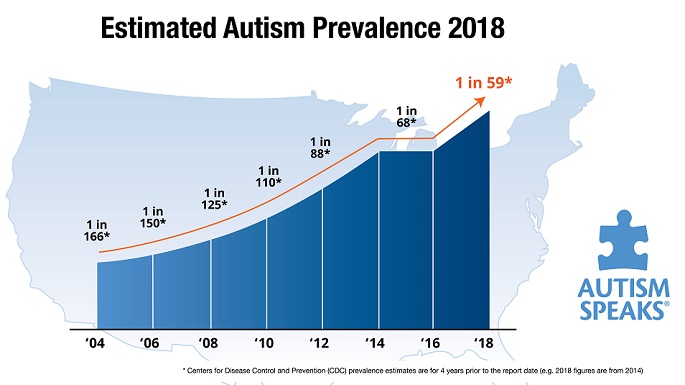
What this report really means is, children are being diagnosed with a disorder at a younger age, rather than a child being diagnosed at 8-years-old they can now be diagnosed at the age of 3. Due to the advances in autism, funds are being invested in analyzing medical and educational records in 11 sites across the U.S. where laws allow it, to find children who might be autistic so they can seek out help if needed. The sites monitored are Arizona, Colorado, Georgia, Maryland, Minnesota, Missouri, New Jersey, North Carolina, Tennessee and Wisconsin.
The Autism and Developmental Disabilities Monitoring Network is funded by The Center for Disease Control and Prevention to collect data of children by evaluating their medical and educational records, and then sending that information to clinics who then determine if the child has an autism spectrum disorder.
However, although more children are being diagnosed at an earlier age some individuals receive a diagnosis until late into their teens or adulthood, such as Allison Green, a 29-year-old student at Los Angeles Valley College. Green was diagnosed with autism at age 21, but was told by psychiatrists she had ADHD and bipolar disorder beforehand.
“Before the autism diagnosis, my parents tried getting me into regional center, but I didn’t get in until age 21,” she said.
Rachel Nizinski, a CSUN journalism student, was diagnosed with Asperger’s syndrome at 4-years-old. Growing up with autism she has had her high and low points in the community. She was able to receive treatment at a young age which included one-on-one counseling, family and group therapy, attended social skill groups and was prescribed medication.
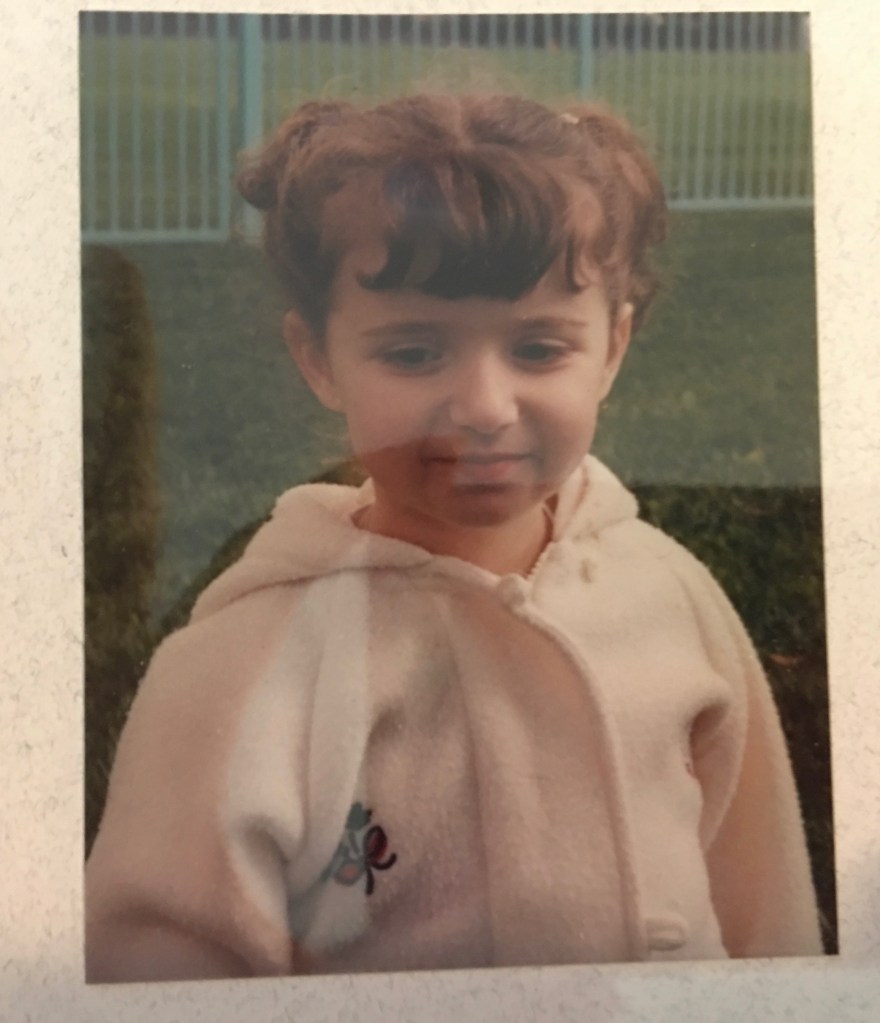
“I didn’t even know what autism was when I was first diagnosed, I was so young. I went to a special needs school for middle and high school, and before that, went to a public school with my own one-on-one assistant,” said Nizinski.
Now that she is older, she wants to help raise awareness for the way doctors, parents and everyone views autism. She describes autism as a neurological condition that affects a person’s social and communication skills.
“Basically, it’s like being socially blind or deaf; some blind people use white canes and guide dogs, and some deaf people use sign language to work with their condition,” said Nizinski.
Rather than viewing autism as a complex set of conditions, she wants to help people understand autism in a new perspective.
She said, “Rather than trying to fix or cure it, I think people with autism should be taught the same, in the sense that treatment should emphasize independent coping skills more than social skills.”
While she was in grade school she was treated as if she was incapable of meeting teachers’ expectations.
“Sometimes, people thought that I was less capable because I had autism. They would make things easier to the point it wasn’t challenging enough for me and my peers,” said Nizinski.
She remembers an experience she had in third grade where she was suspended for a day for throwing a tantrum in the classroom when her teacher did not understand her needs.
Treatments designed to help autistic children in grade school should be further analyzed to see if their criteria includes verbal and nonverbal communication skills outside traditional socializing skills.
“The emphasis when teaching people with autism how to communicate should be on making sure the message they want gets across, regardless of whether it meets neurotypical standards of persuasion or success,” said Nizinski.
Rather than focusing on putting a fixed definition on autism and finding newer treatments and therapies more investment has to be put into allowing these individuals to voice their opinions, thoughts and concerns.
“They might just prefer to communicate in a different means, whether it means writing or typing everything they want to convey, using sign language, or even a spoken language other than the one primarily used where they live,” said Nizinski.
Autism has come a long way since 1911 its laws, policies and research methods may change yearly, below is a timeline to outline its advances.
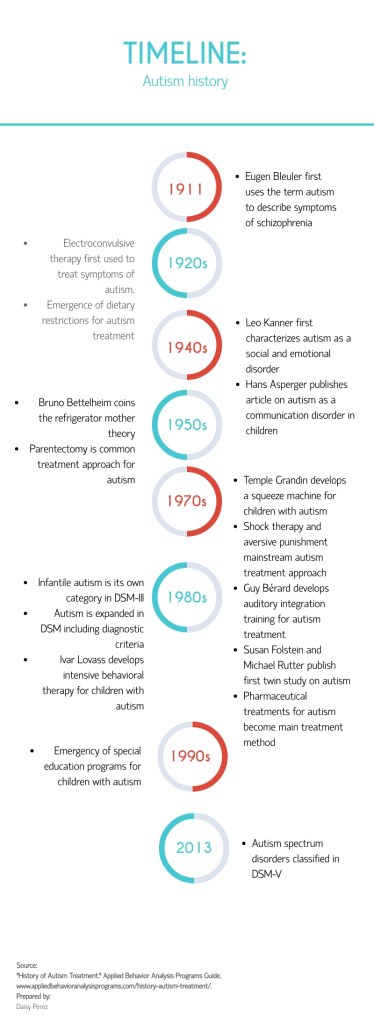
No matter the advances, the focus should not just be on finding better treatments and therapies for autistic individuals but understanding if these individuals want to seek treatments and if the resources already available are useful or need to be further evaluated.
Diana Chulak, a family support provider helps to empower parents to be their child’s advocate by understanding what services their children need.
“ When my first son was diagnosed with autism, it was heartbreaking,” she said.
She remembers googling the words repetitive speech. That then led her to the word echolalia which then referred her to an autism website. Echolalia is defined by the organization Autism Speaks as an individual who repeats words and phrases that they hear from their peers. A child’s speech may only consist of repeating their peers phrases and may face difficulties when trying to communicate their thoughts and feelings.
She remembers mentioning some of these similar issues her son was having with his speech to his pediatrician. She brought up some the symptoms she discovered of echolalia online to the doctor but was told to not worry so much about her son’s behavior.
“He just kept telling me of he’s a boy, he’s your first child, he’s with your parent and they’re speaking Spanish to him all day so he’s getting confused. Oh he’s not with other kids so that’s why he’s so shy,” said Chulak.
Her son did not receive the help he needed until the age of 3, when she decided to take her son to see another doctor. It was then that the other doctor had diagnosed her son as being autistic. Along with her husband they worked together to find therapies and treatments that would help her son’s development.
She had to quit her job as a medical malpractice paralegal in Beverly Hills to focus on her child’s needs. She would drive them all over the valley to different therapy services like one on one speech therapy, occupational therapy, behavioral therapy and ABA therapy.
She would stay up all night researching centers and schools that would be the best fit for her children.
“As a parent of a child with special needs, you have to participate in their therapies,” she said.
It was important for her to become involved in her child’s treatments and therapies because it was the only way to know what services worked the best for them.
Her older son has always been a very shy boy with a speech impediment. This impacts him academically. Her younger son has sensory issues, so he cannot handle loud noises and faces issues with his eating.
Working at the Family Focus Resource Center has helped her while transiting into a different lifestyle.
“Everyone who works at Family Focus Resources Center has a child of special needs. We know exactly what these parents have been through, are going through, we are learning from each other,” she said.
Everyday she learns new things from the parents at the center. She was referred to the center by another mom and it was here where she discovered she wasn’t alone.
She said, “When you feel that you are on an island and it’s very isolating, scary and sad they talked to me and pointed me to the right direction.”
Parents need to learn about their child’s differences. In order for a parent to know what services work best for their child they first need to know what challenges their child are facing. It is up to the parent to ask the doctor for references to different centers where they can learn more about autism.
Parents need to build communication with their child whether it’s verbal or nonverbal to know if the services being provided is making an impact in their child’s life. Since a child might have difficulties communicating with their parents, it is up to the parents to be able to read their child’s facial expression and body language to know whether a treatment or therapy is actually working towards helping to improve their disorder.
“These are our kids, this is just our family. We are going to do as much as we can to make them the best they can be. Just because they may have an IEP when they are five doesn’t mean it’s gonna prevent them from getting into an Ivy school,” said Chulak.
Dr. Ivor Weiner, a professor of special education at CSUN who specializes in autism, noticed his daughter, Layla, was developing splinter skills. According to VeryWellHealth.com, splinter skills are when a child is able to do something, usually involving memorization, without knowing the meaning or purpose behind it. For example, a child may speak in full sentences without grasping the meaning behind them.
“She had some very advanced skills, such as being able to speak in advanced sentences, and know her alphabet, colors, and shapes,” said Dr. Weiner of his daughter, who was diagnosed at 18 months old in 1998. “But when I called her, she didn’t know her name, and when I pointed at something, she didn’t seem to follow what I was saying.”
Layla, now 22 years old, is a recreational and tourism management major at CSUN with a minor in theater. She is a cast member on the Netflix series Atypical, where her character, Amber, also has autism.
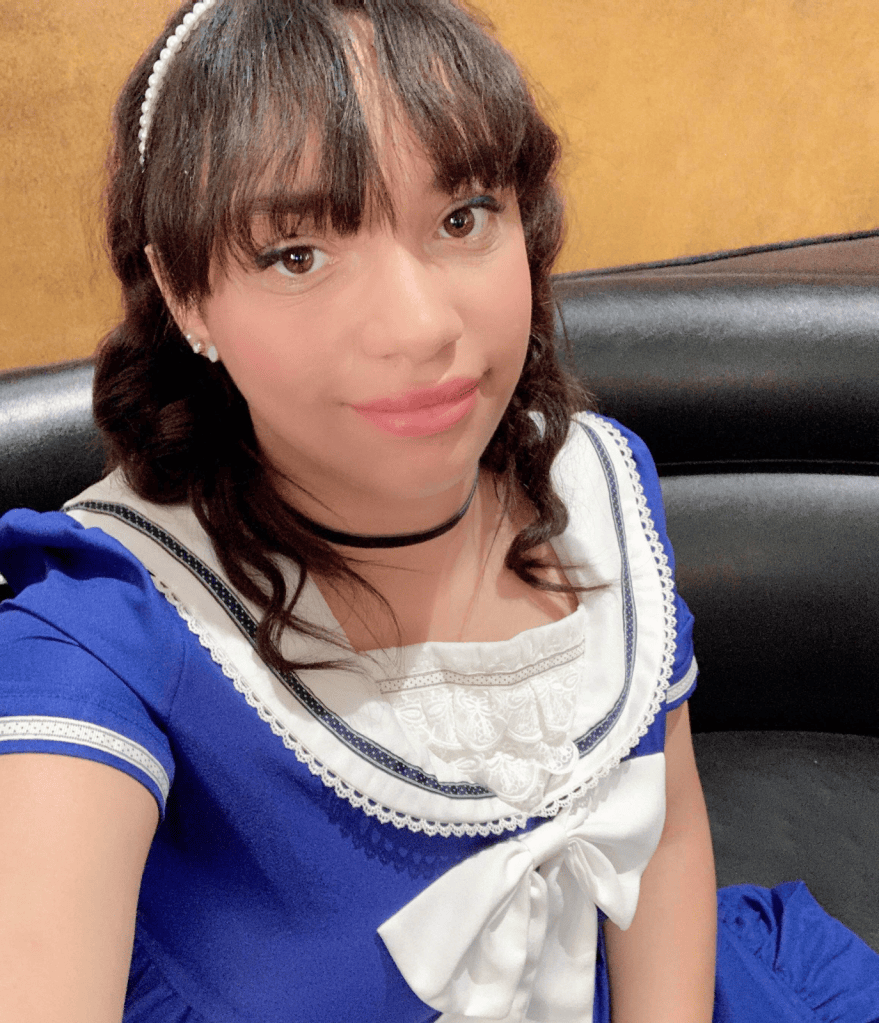
“People still have low expectations of people with autism; they see it as weird or as a difference,” adds Dr. Weiner. “I wish I had the mind of an autistic person, they think outside the box and see things more clearly. People with autism have so many gifts.”
 Autism